
Steel takeoff software cost, and how to work out the ROI.
Vendors price steel takeoff software per seat, per takeoff, per project or by plan, and some publish prices while others quote. The ROI comes down to hours your estimators get back and the extra bids those hours let you chase. Run it with your own numbers.
Send one plan set. See what the AI extracts and what it flags for review. No obligation.
- Pricing models explained
- ROI formula
- Your numbers, not ours
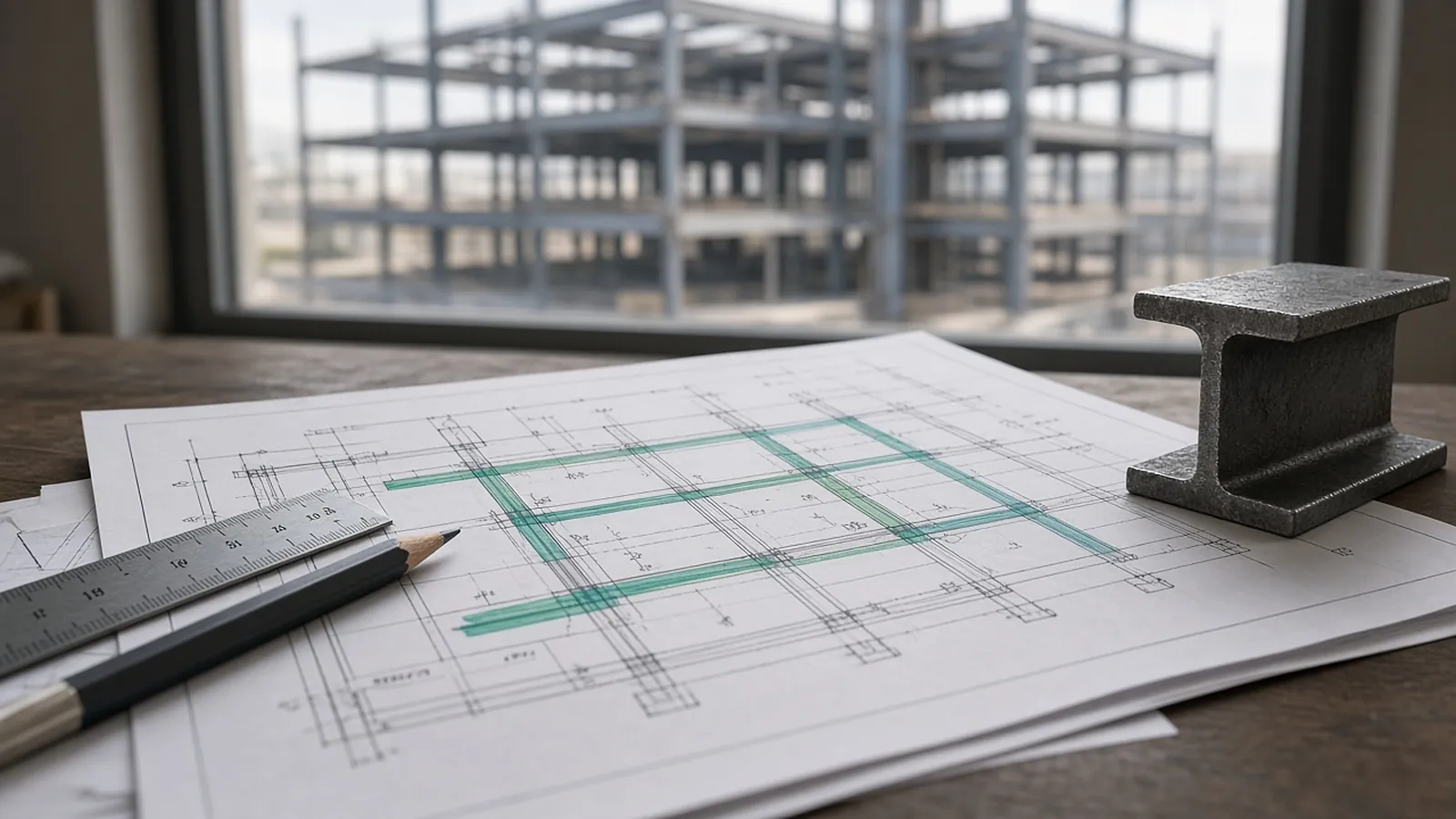
How steel takeoff software is usually priced.
| Model | Good fit when | Watch for |
|---|---|---|
| Per seat (monthly/annual) | Steady bid volume, dedicated estimators | Seat count vs. occasional users |
| Per takeoff / credits | Variable or seasonal bid volume | Overage pricing on busy months |
| Per project or sheet | Occasional large jobs | Cost on large sets |
| Enterprise / quoted | Integrations, multiple trades or locations | Implementation and onboarding fees |
A simple ROI calculation.
Measure manual and review hours on one of your own sets; don't rely on vendor claims, including ours. RenderDraw pricing is quoted for your scope; book a demo to discuss it.
The quantities a steel estimator actually needs
These are the items RenderDraw proposes from the drawings, each linked to the sheet it came from, for your estimator to accept, correct or reject.
| Item | What is measured or counted | Where it comes from |
|---|---|---|
| Members by shape | Beam, column and brace counts by size (W, HSS, L, C) with lengths | Framing plans, schedules, sections |
| Weights / tonnage | Length × weight per foot, rolled up by piece type | Member marks + AISC shape tables |
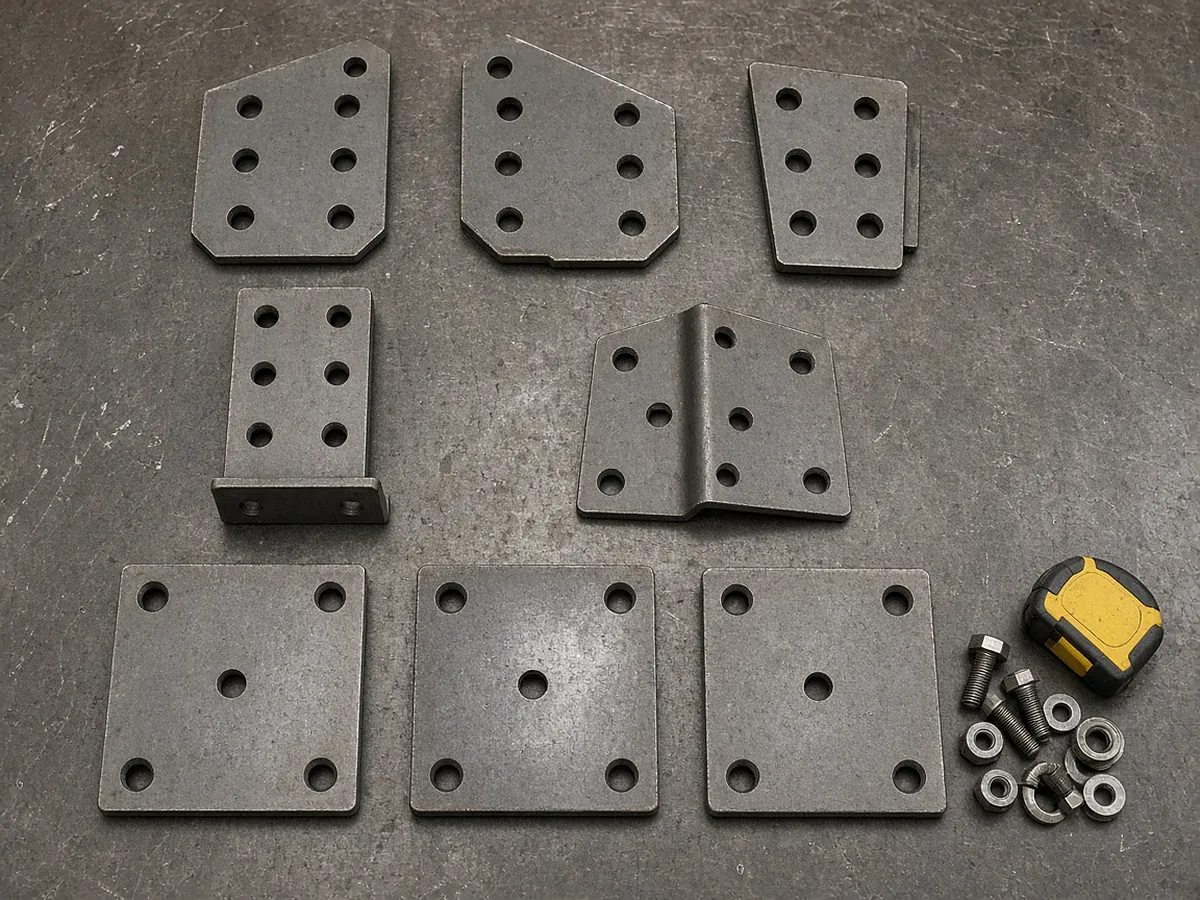
| Connections | Shear tabs, moment connections, base plates, embeds | Typical details, connection schedules |
| Misc. metals | Lintels, stairs, rails, ladders, embeds | Architectural sheets, details |
| Deck & joists | Deck area by gauge/profile, joist counts by designation | Roof and floor framing plans |
From plan set to reviewed quantities.
AI-powered, human-approved. Each stage records what ran, what changed and who approved it.
Start with your bid package
Drawings, specs and addenda together: framing plans, column and beam schedules, typical connection details, the structural general notes and the spec sections for structural steel and misc. metals.
AI proposes quantities
Counts, lengths and areas come back with the source sheet and location attached to every row.
Estimator review
Low-confidence items surface first. Your estimator accepts, corrects or rejects each one.
Map to your assemblies
Approved quantities map to your items, assemblies and estimating assumptions.
Price reviewed rows
Labor units, material pricing and supplier quotes apply only to rows that passed review.
Hand off with evidence
Approved quantities move on to pricing and visual CPQ with the evidence trail still attached.
Supported files and tasks depend on your trade and implementation. Confirm them in the free sample run.
What we checked (November 2026)
- Don't double-count hours. An hour saved can either reduce cost (overtime, a hire you don't make) or go into an extra bid. Not both. The formula above counts each hour once.
- Published 2026 list prices for reference (November 2026; confirm with each vendor):
- Bluebeam: $260–$590 per user per year.
- PlanSwift: $2,000 or $3,000 per seat per year.
- Kreo: $100–$250 per user per month, billed annually.
- Togal Growth: $299 per user per month, billed yearly.
- STACK Takeoff & Estimate: from $299 per user per month.
- Weights from AISC shape tables: the number in a W-shape name is its nominal weight in pounds per foot (W16x26 is 26 lb/ft). Add connection material as a measured allowance, not as a guess.
The AI drafts. Your estimator decides.
Speed is easy to promise. Defensible numbers are the job, so RenderDraw keeps the estimator in control of every quantity that gets priced.
- Source on every row. Each quantity keeps its source sheet, location and reviewer decision.
- Lowest confidence first. The review queue shows the drawing tile with the detection highlighted and the extracted value.
- Uncertain items flagged, not hidden. Anything the AI can't confirm goes to the estimator rather than being guessed.
- Nothing priced before approval. Rows move on to pricing only after they are accepted.
Questions estimators ask
How much does steel takeoff software cost?
It varies widely by vendor and model, from published monthly plans to quoted enterprise pricing. Compare on the same bid volume and include onboarding and review time.
How do I calculate ROI on takeoff software?
Estimate hours saved per bid on your own drawings, multiply by bid volume and burdened rate, add margin from extra bids you can chase, and compare against the software cost.
What does RenderDraw cost?
RenderDraw pricing depends on scope. Book a demo or request a free sample takeoff to evaluate it on your drawings first.
What hidden costs should I watch for?
Review time, re-keying into your pricing, training and per-job overages.
See what the AI reads on your own drawings.
Send one representative steel plan set. RenderDraw reviews it and follows up with what the AI extracted and what it flagged for review. Your files remain private while the request is assessed, and there is no obligation.
- Upload framing plans, column and beam schedules, typical connection details, the structural general notes and the spec sections for structural steel and misc. metals.
- RenderDraw reviews the set and the scope you want tested.
- We follow up with extracted quantities, flagged items and next steps.
Related tools and guides
Keep reading on renderdraw.com
Sources and further reading
Vendor pages, standards and references checked for this page. Product features and prices change; confirm current details with each vendor.
- Bluebeam: Plans and pricing — Revu plan prices
- PlanSwift pricing — Plan prices
- Kreo pricing — Plan prices
- Togal.AI pricing — Growth plan price
- STACK pricing — Plan starting prices
- AISC 303-22 Code of Standard Practice — Scope definitions used in steel takeoff
Last reviewed November 2026.