Why the proposal matters as much as the number
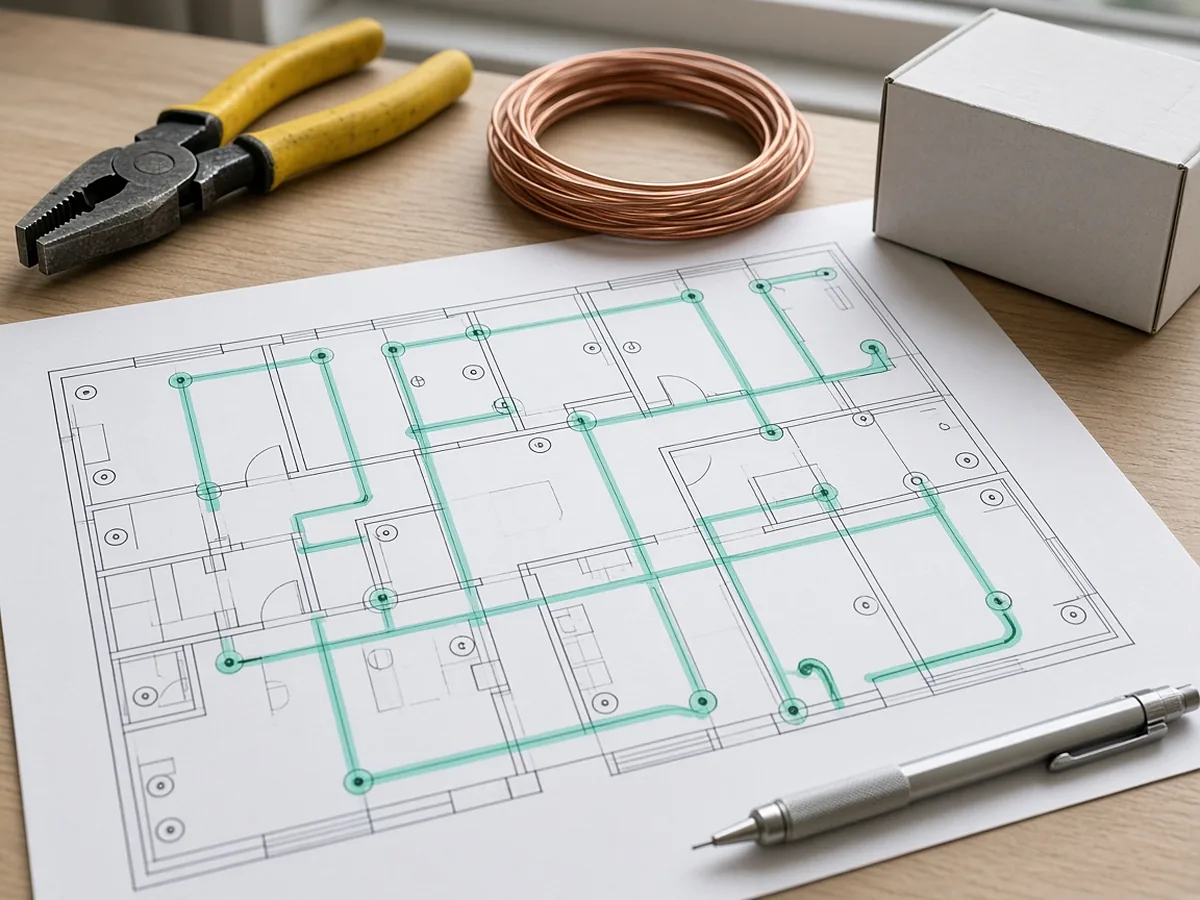
General contractors level electrical bids line by line, usually on a spreadsheet with one column per bidder and rows for each scope item. When your scope is clearer than the next bidder's, your number is easier to carry. After award, when a dispute comes up, your proposal and how the subcontract incorporates it are the first documents anyone reads. The proposal is the written version of your takeoff assumptions.
Example structure
- Header: company, contractor license number, contact, date, proposal number.
- Project and recipient: project name and address, GC, bid date.
- Documents: drawings by sheet range and date, spec sections, addenda acknowledged by number.
- Base bid: a single lump sum for the base scope.
- Alternates and unit prices: numbered as on the bid form, clearly add or deduct.
- Scope summary: what you furnish and install, by system.
- Inclusions: items that might otherwise be questioned.
- Exclusions: items you are not providing.
- Clarifications and assumptions: conditions your price depends on.
- Schedule: assumed duration, phasing, manpower and long-lead gear.
- Terms: validity, payment, retainage, escalation and signature.
Sample scope and inclusions
- Furnish and install electrical distribution per E-001 through E-601 dated 03/14/2026 through Addendum 2, including switchboard MSB, panelboards as scheduled, feeders and branch circuits.
- Lighting fixtures and lighting controls per the fixture schedule on E-501; fixtures furnished by us.
- Fire alarm system per FA drawings: devices, panel and programming by our fire alarm vendor; acceptance testing included.
- Temporary power and lighting per spec section 01 50 00 for 10 months; energy costs by others.
- Connections to mechanical equipment furnished by others, including disconnects as scheduled.
Sample exclusions
- Utility company charges, fees and transformer pads unless shown on E-sheets.
- Division 27 and 28 cabling (data, AV, security) unless listed above.
- Patching and painting; firestopping of our penetrations is included only if stated in inclusions.
- Overtime and premium time; work assumed during normal working hours.
- Excavation in rock or contaminated soils.
- Bond premium unless listed in the price.
Exclusions that contradict the documents do not always hold up. If the spec puts firestopping in Division 26, excluding it may be read as non-compliant or ignored in leveling. Exclude what the documents leave open; price or clarify what they assign to you.
Sample clarifications
- Gear pricing is based on lead times quoted 03/20/2026; schedule depends on approved submittals and release within 10 days of award.
- Conduit and conductor sizes per drawings; no upsizing for voltage drop or future capacity unless shown.
- Price valid 30 days. Copper wire and cable priced per supplier quote dated 03/20/2026; changes in copper price at time of purchase adjust the contract by change order.
- One mobilization assumed per phase shown on the phasing plan.
- Owner-furnished equipment received, stored and set by others; connections only by us.
Clarifications protect you only if they are specific. "Pricing based on drawings" says nothing; "pricing based on E-001 through E-601 dated 03/14/2026 and Addendum 2" settles arguments. For escalation language, ConsensusDocs 200.1 is a published contract amendment for time and price-impacted materials; use it or your attorney's version, and only where the contract allows.
Alternates and unit prices
- Alternate 1 (add): LED site lighting upgrade per E-501: $____.
- Alternate 2 (deduct): delete lighting control system, provide standard switching: $____.
- Unit price: additional duplex receptacle on an existing circuit, including up to 25 ft of branch: $____ each.
- Unit price: additional 2x4 LED troffer, furnished and installed: $____ each.
Number alternates exactly as the bid form does and describe what each includes so they can be accepted without follow-up. State whether unit prices include markup and whether they apply to deducts.
How GCs level electrical bids: a checklist
- Addenda acknowledged.
- Fixtures, gear and lighting controls included or excluded.
- Fire alarm and low voltage in or out.
- Temporary power, testing, permits and bond.
- Firestopping, trenching, concrete pads and housekeeping pads.
- Exclusions that shift cost to the GC or other trades.
Make each of these answerable from your proposal in under a minute.
Residential electrical bid example
Residential bids are shorter but follow the same logic: device and fixture counts or rooms, fixtures provided or by owner, service size, permit and inspection, and what is not included (fixtures, patching, low voltage). Many residential contractors price per point; state what a point includes (device, box, plate, wire to the next point). Some states require specific contract language for home improvement work, such as cancellation rights; check your state's requirements.
When this structure does not apply
Service calls and small changes are often quoted on a short form or time and material. Design-build proposals need a scope narrative and allowances instead of sheet lists. Public bids are governed by the bid form.
How a good takeoff makes a good proposal
Every inclusion and exclusion should trace back to the takeoff. If your takeoff counted fire alarm devices on FA-101 through FA-104 but the set has FA-105, the document list catches that before the GC does. RenderDraw keeps every proposed quantity linked to its source sheet for review before pricing, which makes the document list and scope sections easier to write and defend. Try a free sample takeoff, and see the electrical schedule of values guide for what happens after award.