
Structural steel takeoff services, or your team with AI?
Outsourced takeoff services trade control and traceability for capacity. AI-assisted takeoff keeps the work in-house and moves your estimator's time from counting to reviewing. Here's what services actually charge, what to ask them, and when each option fits.
Send one plan set. See what the AI extracts and what it flags for review. No obligation.
- Published service pricing
- Questions for any provider
- Who owns the assumptions
- In-house with AI
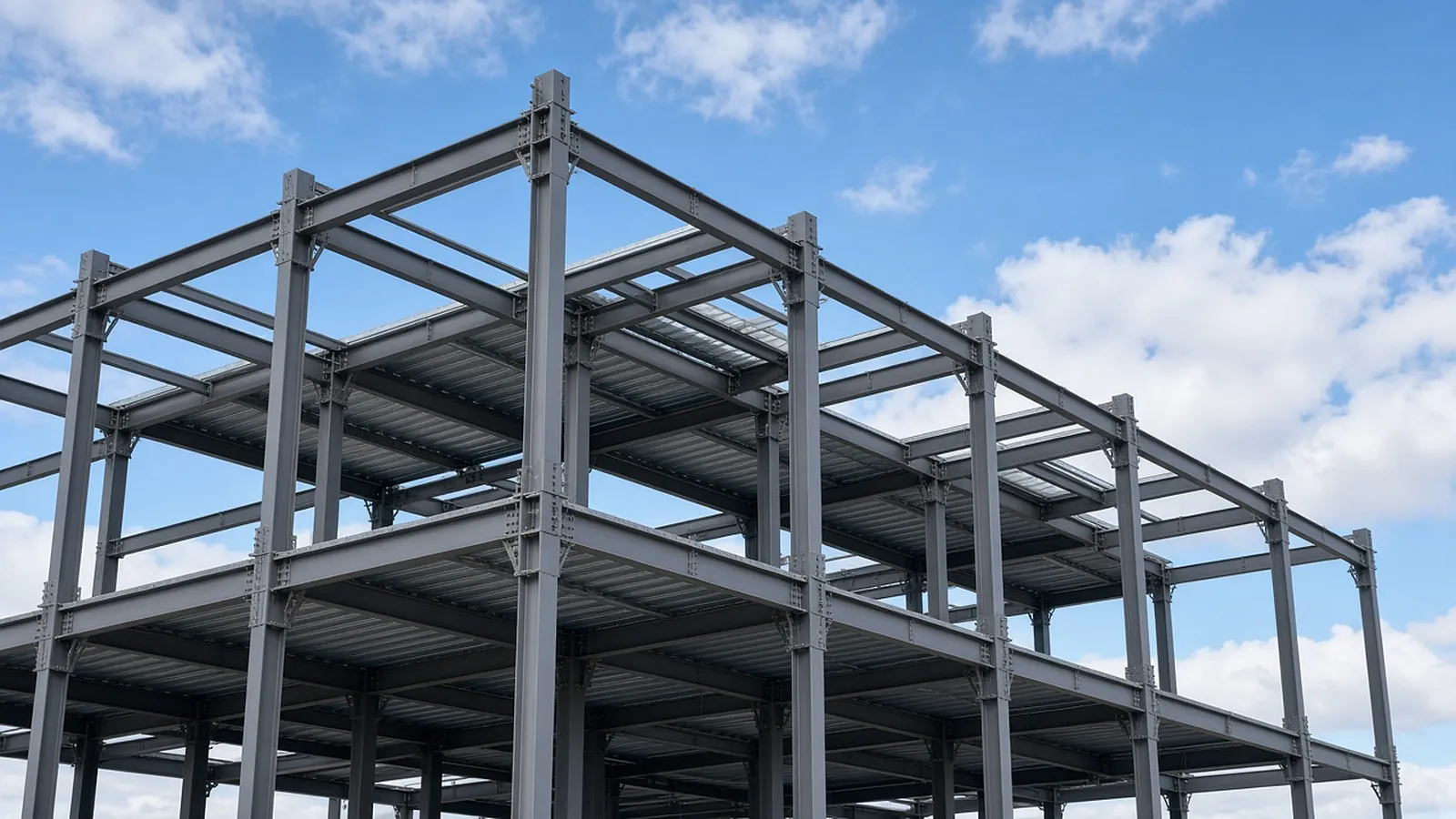
Three ways to get a steel takeoff done.
| Manual in-house | Takeoff service | RenderDraw (AI + your review) | |
|---|---|---|---|
| Who measures | Your estimator | Outside estimator | AI proposes, your estimator reviews |
| Turnaround | Limited by your hours | Set by the service queue | First pass fast; review time is yours |
| Cost driver | Estimator salary and overtime | Typically per job, per sheet or per ton (ask the provider) | Software plus your review hours |
| Traceability | Depends on your markups | Depends on the deliverable | Every row linked to sheet and location |
| Addenda | Re-measure | Re-order or re-quote | Revision deltas flagged for repricing |
| Assumptions | Yours | Theirs, unless specified | Yours |
Service pricing models vary; ask providers how they charge and what their deliverable includes.
Published examples
Most takeoff services quote per project after reviewing the plans. A few publish starting prices. One US-focused steel service, for example, lists on-demand takeoffs "starting from" $150 with a 2 to 4 day estimated turnaround, and monthly packages starting from $1,000 for a handful of projects, with exact price set after plan review and turnaround depending on workload. Others price per sheet, per ton or hourly. Rush delivery usually costs extra.
Treat any "98% accuracy" style claim in service marketing as the provider's own statement. Their own pages typically note that accuracy depends on drawing detail and completeness.
Service: $650 per mid-size bid × 6 bids/month = $3,900/month
+ addendum re-quotes, 2 × $150 = $300
+ your estimator's review: 4 h × 6 bids = 24 h
In-house: estimator takeoff 20 h × 6 bids = 120 h
The real comparison is your estimator's hours, including review, against the service fee plus the review you still have to do.
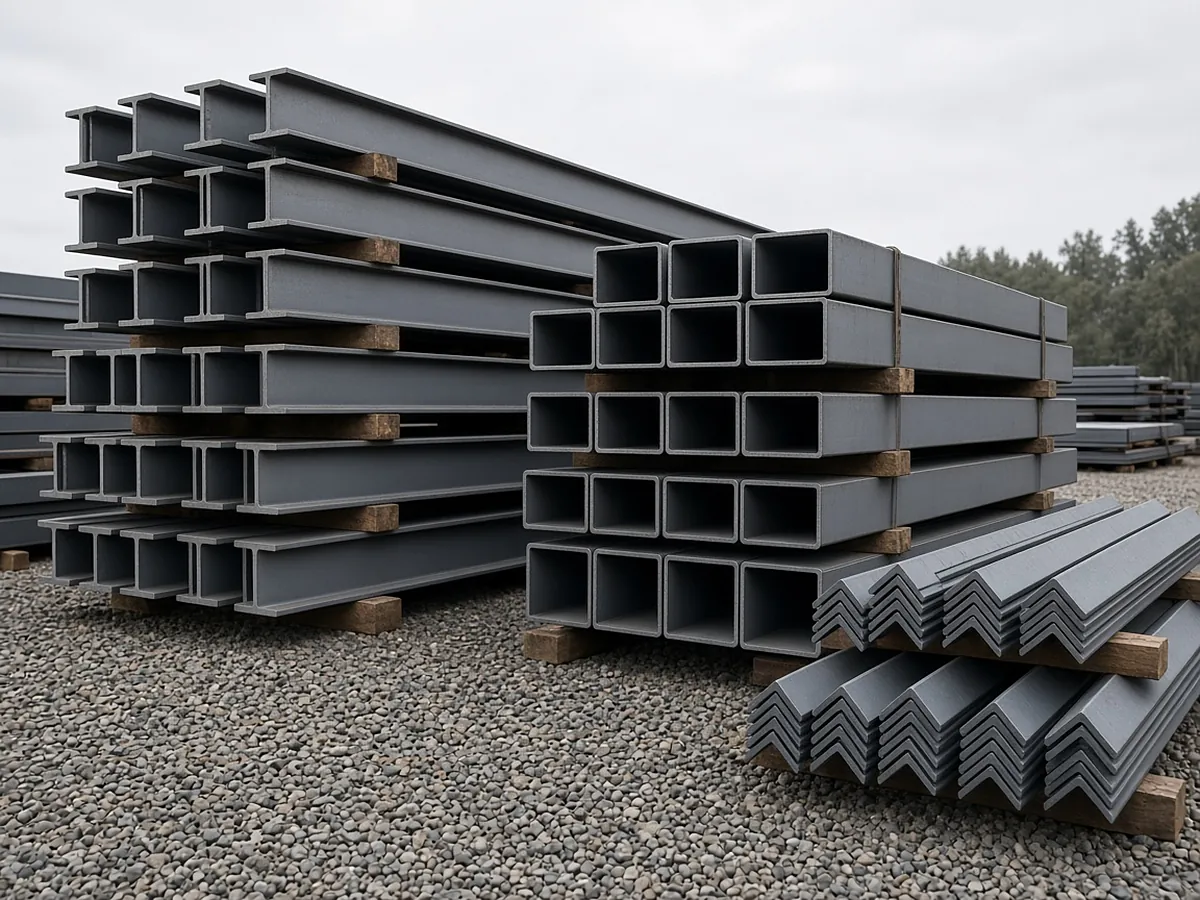
What to ask any provider
- Are connections counted? Tonnage alone hides shop hours. Ask whether beam ends, shear tabs, moment connections, base plates and embeds are counted or allowanced.
- Is misc. metals included? Lintels, stairs, rails, embeds and supports live on architectural and MEP sheets. Get it in writing.
- How are conflicts handled? When general notes and details disagree, you want a flag, not a silent choice. Under the AISC Code (§3.4), structural drawings govern over architectural ones; ask whether the provider knows that.
- What's the deliverable? Spreadsheet only, or marked-up PDFs showing every counted item? Without markups you can't check their work.
- How are addenda priced and how fast? Addenda arrive in the last days before bid.
- Who are the estimators and where? Time zone matters for bid-day questions.
- Confidentiality. Bid documents often carry NDAs or owner restrictions on sharing.
When each makes sense
| Situation | Service | In-house with AI-assisted takeoff |
|---|---|---|
| Occasional overflow, few bids per month | Good fit | May not justify setup |
| Steady bid volume, same building types | Fees add up; assumptions are theirs | Good fit; assumptions stay yours |
| Bid-day changes and addenda | Depends on queue | Rerun and review changed sheets |
| Training junior estimators | They learn less | They learn by reviewing real takeoffs |
| Traceability for change orders | Depends on markups | Every row tied to the sheet |
From plan set to reviewed quantities.
AI-powered, human-approved. Each stage records what ran, what changed and who approved it.
Start with your bid package
Drawings, specs and addenda together: framing plans, column and beam schedules, typical connection details, the structural general notes and the spec sections for structural steel and misc. metals.
AI proposes quantities
Counts, lengths and areas come back with the source sheet and location attached to every row.
Estimator review
Low-confidence items surface first. Your estimator accepts, corrects or rejects each one.
Map to your assemblies
Approved quantities map to your items, assemblies and estimating assumptions.
Price reviewed rows
Labor units, material pricing and supplier quotes apply only to rows that passed review.
Hand off with evidence
Reviewed quantities move on to your estimate, catalog or quote workflow with the source trail still attached.
Supported files and tasks depend on your trade and implementation. Confirm them in the free sample run.
Questions estimators ask.
How much does a structural steel takeoff service cost?
It varies by size, scope and provider. Some services publish starting prices around $150 for small jobs and monthly packages from about $1,000, with exact quotes after plan review. Others price per sheet, per ton or hourly. Get a written quote that includes addenda.
How long does a steel takeoff service take?
Services commonly quote a few business days, depending on their workload and the set. Rush delivery usually costs extra.
What should a steel takeoff service deliver?
A quantity list by member and item with sheet references, marked-up PDFs showing what was counted, a list of assumptions and conflicts, and clear coverage of connections and misc. metals.
Is AI takeoff a replacement for a takeoff service?
It's an alternative that keeps the work in-house: the AI proposes quantities and your estimator reviews them, so assumptions and traceability stay with your team.
Can I test RenderDraw before deciding?
Yes. Send one steel package, ideally with an addendum, and compare the result with your own or a service's takeoff. Get a free sample takeoff.
See what the AI reads on your own drawings.
Send one representative steel plan set. RenderDraw reviews it and follows up with what the AI extracted and what it flagged for review. Your files remain private while the request is assessed, and there is no obligation.
- Upload framing plans, column and beam schedules, typical connection details, the structural general notes and the spec sections for structural steel and misc. metals.
- RenderDraw reviews the set and the scope you want tested.
- We follow up with extracted quantities, flagged items and next steps.
Where these numbers come from
We checked this guide against the standards, manufacturer documents and industry references below (last reviewed November 2026). Figures marked as rules of thumb are typical ranges, not requirements; your project documents, local code and your own cost history govern.